
01 🔎
Verify the source
Check the domain and file origin; search ranking is not proof of authenticity.
Read the guide ↗Explore a more deliberate wallet journey, from asset visibility to key protection, recovery and transaction review. The interface shown is illustrative.
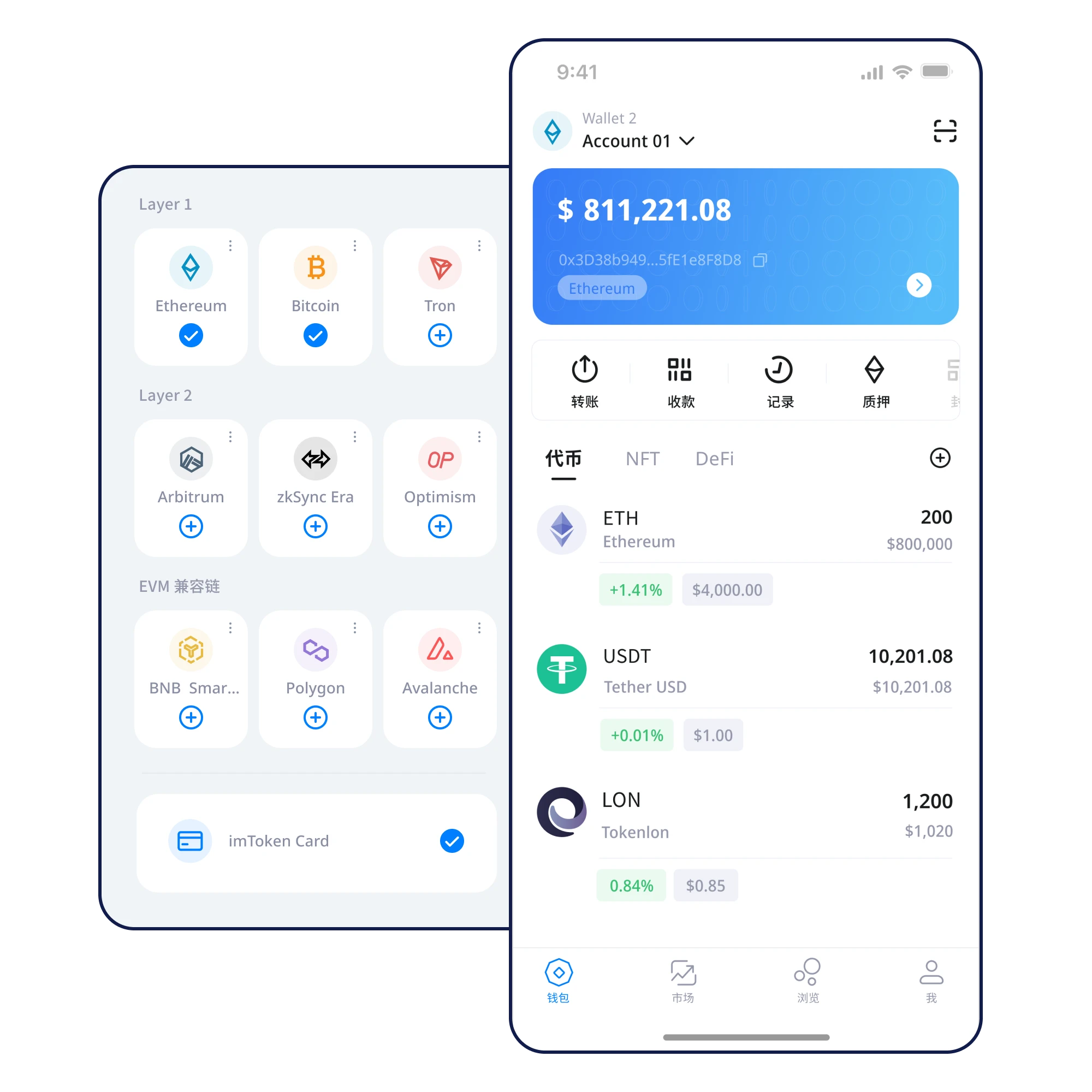
Network context, asset details and backup status should be visible when they matter. The balances shown here are illustrative.
Total assets · Sample balance
Illustrative display; no real account balances.
Check the domain and file origin; search ranking is not proof of authenticity.
Read the guide ↗Update your device and inspect permissions before opening an unknown package.
Read the guide ↗Use a strong device lock and a distinct wallet access password on a trusted device.
Read the guide ↗Write the recovery words in order. Avoid screenshots, cloud sync and chat messages.
Read the guide ↗Confirm the network, contract and address format before adding a token.
Read the guide ↗Recheck destination, amount, network, fees and approvals; stop when uncertain.
Read the guide ↗Local key handling is a design principle; your device security and backup practices remain essential.
Explore this topic →
Recovery depends on valid backup material. Never type your recovery phrase into an untrusted website.
Explore this topic →
Review the asset, network, destination, amount and fees before approving. Stop if a permission request is unclear.
Explore this topic →
Know who can access keys and recovery material.
Review network, destination, amount and approvals.
Make and verify backups before they are needed.
Browse guides by the decision you need to make, not by unexplained jargon.
Follow a deliberate path from installation verification to wallet setup and access protection.
↗See assets by chain, while remembering that identical token names do not guarantee identical networks or contracts.
↗Review the asset, network, destination, amount and fees before approving. Stop if a permission request is unclear.
↗Confirm a working backup before retiring your old device. Plan the transition to avoid losing access.
Fake download pages, unexpected approvals, requests for recovery words and network mismatches deserve careful review.
Learn phishing warning signs →In a self-custody model, users hold their keys or recovery credentials. Check the actual wallet implementation for details.
Offline backups do not require connectivity. Live balances and broadcasting transactions generally do.
Write it down offline in a trusted environment, confirm the order and protect it from unauthorized access.
A private key authorizes signing. A recovery phrase typically recreates a set of keys. Both are sensitive.
NEXT STEP · GET READY
Verify the installation source, protect your recovery phrase, and review every transaction.
⬇ Download Now